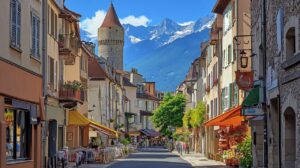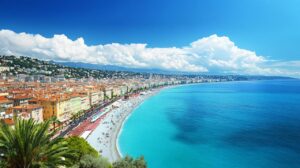
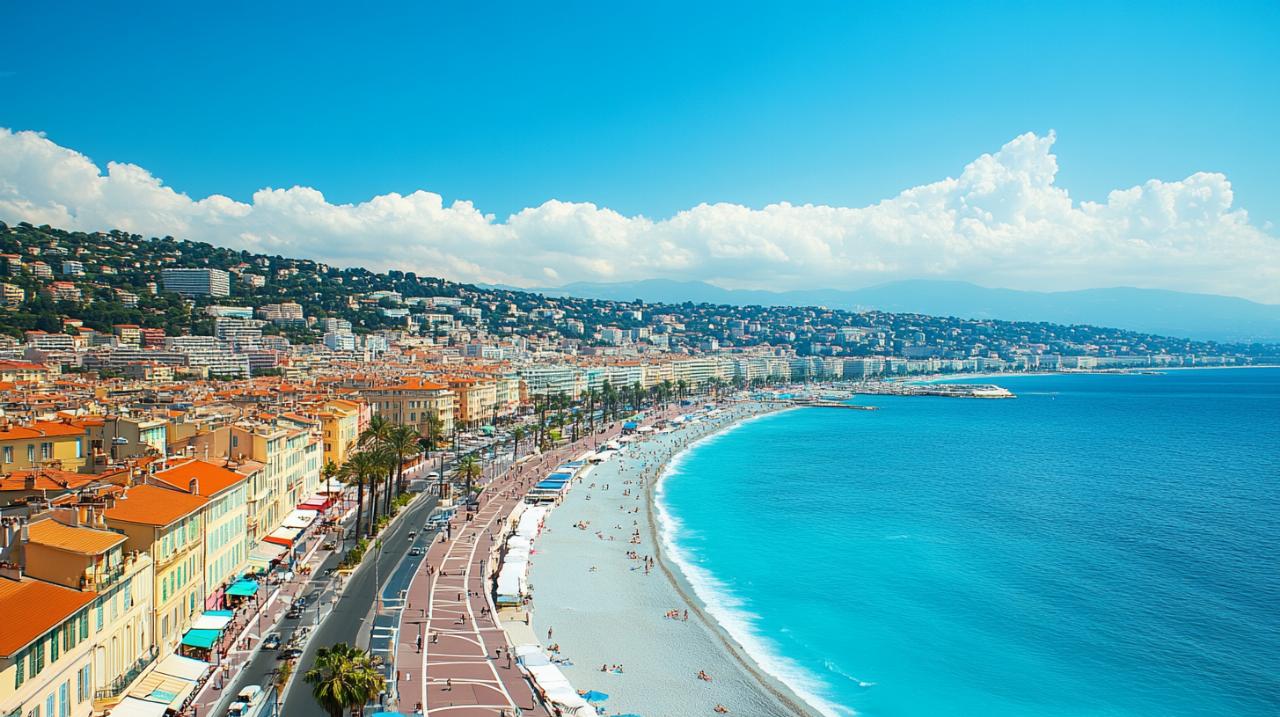
The French Riviera has long been celebrated for its dazzling coastline, glamorous resorts, and sun-drenched charm. Yet, as environmental awareness grows across the globe, this iconic region is embracing a new identity as a champion of sustainable tourism. From the bustling Promenade des Anglais in Nice to the fragrant hills of Grasse and the tranquil villages perched above the Mediterranean, the Côte d'Azur is proving that luxury and responsibility can coexist. Whether you are drawn to the azure waters, the majestic Alpine peaks, or the rich cultural tapestry woven through centuries, there are countless ways to explore this coastal paradise while treading lightly on the planet.
Understanding Sustainable Tourism Along the Côte d'Azur
What Makes the French Riviera a Perfect Spot for Eco-Conscious Travel
Stretching over two hundred kilometres of coastline and extending into the mountains, the French Riviera offers a rare combination of natural beauty and cultural heritage. This region benefits from more than three hundred days of sunshine each year, a mild climate, and a diverse landscape that includes beaches, islands, nature parks, gorges, and lakes. Such variety makes it an ideal destination for travellers seeking both relaxation and adventure, all within a relatively compact area. The proximity of the sea to the mountains means that visitors can enjoy water sports in the morning and embark on a mountain hike in the afternoon, all while minimising the carbon footprint associated with long-distance travel.
The area is also home to a wealth of cultural sites, including the world capital of perfumery in Grasse, the baroque architecture of Menton, and the vibrant arts scene of Cannes. These attractions are complemented by a thriving food culture that celebrates local and organic produce, making it easier for eco-conscious travellers to support sustainable practices. The French Riviera Pass, which grants access to over one hundred activities and more than sixty sites, encourages visitors to explore the region in a structured and responsible manner, reducing the need for excessive travel and promoting a deeper connection with the local environment.
The environmental challenges facing nice and surrounding areas
Despite its natural splendour, the Côte d'Azur faces significant environmental challenges. The region attracts millions of tourists each year, placing considerable pressure on its infrastructure, natural resources, and ecosystems. Popular destinations such as Nice, Cannes, Monaco, and Saint-Tropez must balance the economic benefits of tourism with the need to protect fragile coastal and mountain environments. Overcrowding during peak seasons can lead to pollution, habitat degradation, and strain on local services, all of which threaten the very qualities that make the French Riviera so appealing.
Water quality and marine biodiversity are particular concerns, as the Mediterranean Sea is highly sensitive to pollution and overfishing. The coastline, with its coves and beaches, is also vulnerable to erosion and the impacts of climate change. In response, local authorities and tourism operators are increasingly prioritising sustainability, implementing measures to reduce waste, promote eco-tourism, and educate visitors about their environmental impact. The website of the Nice Côte d'Azur Tourist Office, for instance, features an eco-mode that has already saved nine grams of carbon dioxide, a small but symbolic step towards greener digital practices. These efforts reflect a growing recognition that the future of tourism in the region depends on preserving its natural and cultural assets for generations to come.
Top Sustainable Practices and Green Initiatives in Nice
Eco-friendly accommodation options and carbon-neutral hotels
Accommodation providers along the French Riviera are increasingly adopting sustainable practices, offering travellers a range of eco-friendly options. Many hotels and guesthouses now use renewable energy, implement water-saving measures, and source food locally to reduce their carbon footprint. Some establishments have gone further, achieving carbon-neutral status by offsetting emissions and investing in green technologies. These initiatives not only benefit the environment but also enhance the guest experience, as visitors can enjoy comfortable and stylish lodgings while knowing that their stay supports responsible tourism.
In addition to traditional hotels, the region boasts a growing number of boutique accommodations and rural retreats that prioritise sustainability. These properties often feature organic gardens, solar panels, and eco-friendly building materials, providing an immersive experience that connects guests with the natural surroundings. The emphasis on local and organic produce extends to dining, with many establishments partnering with nearby farms and markets to offer seasonal menus that celebrate the flavours of the Côte d'Azur. By choosing such accommodation, travellers can contribute to a more sustainable tourism model while enjoying the authentic charm of the French Riviera.
Local transport solutions: cycling routes and electric vehicle schemes
Getting around the French Riviera sustainably is easier than ever, thanks to a range of transport options designed to reduce environmental impact. The region has invested heavily in cycling infrastructure, with dedicated routes that connect coastal towns, villages, and natural sites. These paths allow visitors to explore the area at a leisurely pace, taking in the stunning scenery while minimising their carbon footprint. Electric bikes, or e-bikes, are also widely available for hire, making it accessible for cyclists of all fitness levels to navigate the hilly terrain between the sea and the mountains.
Public transport is another cornerstone of sustainable travel in the region. Trains and buses link major cities such as Nice, Cannes, Antibes, Monaco, and Menton, offering a convenient and eco-friendly alternative to car hire. Many tour operators, including those promoting slow tourism, design their itineraries around these services, encouraging visitors to take their time and enjoy the journey as much as the destination. Electric vehicle schemes are also gaining traction, with charging stations becoming more common in urban areas and popular tourist spots. These initiatives reflect a broader commitment to reducing emissions and promoting greener travel, ensuring that the French Riviera remains a vibrant and sustainable destination for years to come.
Experiencing nice responsibly: activities and attractions
Supporting local markets and sustainable dining experiences
One of the most rewarding ways to engage with the culture of the French Riviera is through its food. The region is home to over three thousand five hundred restaurants, inns, and bistros, many of which champion local and organic ingredients. By dining at establishments that prioritise sustainability, visitors can savour the rich gastronomy of the Côte d'Azur while supporting farmers and producers who are committed to environmentally friendly practices. Local markets, found in towns and villages throughout the area, offer a vibrant and authentic shopping experience, where fresh produce, artisan cheeses, and regional specialities are sold by the people who grow and make them.
These markets are not only a feast for the senses but also a vital part of the local economy and culture. They provide an opportunity to connect with residents, learn about traditional farming methods, and discover seasonal ingredients that reflect the unique character of the region. Whether you are browsing the stalls in Nice, Menton, or one of the picturesque hilltop villages such as Eze or Saint-Paul de Vence, you are participating in a form of tourism that values quality, authenticity, and sustainability. Many tour operators now incorporate visits to these markets into their itineraries, offering guided experiences that educate travellers about the importance of supporting local businesses and reducing food miles.
Nature walks, beach clean-ups, and community-led conservation projects
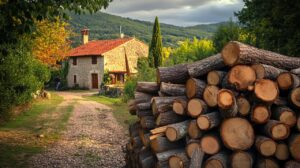
The natural beauty of the French Riviera invites exploration, and there are countless ways to enjoy the outdoors responsibly. Hiking trails crisscross the region, leading through nature parks, along coastal paths, and up into the mountains, some of which rise over three thousand metres. These routes offer breathtaking views and the chance to encounter diverse wildlife, from seabirds nesting on the islands to alpine flora in the high country. By choosing to walk or cycle, visitors can immerse themselves in the landscape while minimising their environmental impact, embodying the principles of eco-tourism.
Community-led conservation projects provide another avenue for responsible engagement. Beach clean-ups, organised by local groups and environmental organisations, offer a hands-on way to contribute to the preservation of the coastline. Participants gather along the beaches and coves to collect litter and raise awareness about marine pollution, fostering a sense of stewardship and collective responsibility. These initiatives are often supported by the tourist office and are promoted through online communities and social media, making it easy for visitors to get involved. By taking part in such activities, travellers not only help protect the environment but also connect with like-minded individuals and gain a deeper appreciation for the natural and cultural heritage of the Côte d'Azur. Whether you are attending a major event such as the Nice Carnival or the Monaco Grand Prix, or simply enjoying a quiet day in a hilltop village, there are endless opportunities to experience the French Riviera in a way that respects and sustains its unique character.