
In today's fast-paced world, families often find themselves pulled in countless directions, juggling work commitments, school schedules, and the endless demands of modern life. Amidst this whirlwind, carving out moments of calm and connection can seem nearly impossible. Yet, an increasing number of households are discovering a simple, transformative practice that brings peace, clarity, and togetherness into their daily routines. By embracing family meditation, parents and children alike are unlocking profound improvements in stress management, emotional resilience, and overall wellbeing. This ancient practice, adapted for contemporary living, offers a sanctuary of stillness that nurtures both individual growth and collective harmony within the home.
Reducing stress and enhancing emotional bonds through family meditation
How meditation alleviates stress across all family members
Stress is an inevitable part of life, affecting individuals of all ages, from the youngest child facing school pressures to parents navigating professional and domestic responsibilities. The benefits of meditation in addressing this universal challenge are well-documented and increasingly accessible to families seeking relief. When practised regularly, meditation activates the body's natural relaxation response, helping individuals recover from stress more efficiently and reducing the physiological toll that tension exacts on both mind and body. This practice creates a buffer against the relentless pace of daily life, allowing each family member to approach challenges with greater composure and clarity.
For children, even brief sessions of mindfulness can yield remarkable results. Research and practical experience alike demonstrate that just five to ten minutes of focused breathing or quiet observation can significantly calm young minds, helping them manage emotions and navigate difficulties with a more balanced perspective. As children learn to centre themselves through meditation, they develop essential skills in emotional regulation and self-control, reducing impulsiveness and fostering a sense of inner peace. Adults, too, benefit from these moments of stillness, finding that regular meditation leads to calmer thoughts, increased mental clarity, and a renewed capacity to handle the inevitable stresses that arise in family life.
The cumulative effect of family meditation extends beyond individual stress relief. When parents and children practise together, they create a shared ritual that signals safety, presence, and mutual support. This collective experience fosters an environment where stress is acknowledged but not allowed to dominate, where each person learns that calm is not only possible but accessible through simple, consistent practice. Over time, families often notice that conflicts decrease, patience increases, and the overall atmosphere of the home becomes more harmonious and supportive.
Strengthening emotional connections through shared mindfulness practices
Beyond its capacity to reduce stress, family meditation serves as a powerful catalyst for deepening emotional bonds and fostering genuine connection. In an age where distractions abound and quality time together can feel scarce, setting aside moments for shared mindfulness creates a sacred space where family members can simply be present with one another. This practice of collective stillness allows individuals to step away from the roles and routines that define their days, meeting each other in a state of openness and mutual awareness that strengthens the fabric of family relationships.
Meditation cultivates empathy and compassion, qualities that lie at the heart of strong emotional connections. As family members engage in mindfulness practices together, they develop a heightened awareness not only of their own inner experiences but also of the feelings and needs of others. This enhanced emotional intelligence translates into more thoughtful interactions, where listening becomes deeper, understanding more intuitive, and responses more considerate. Children who grow up in an environment where meditation is practised regularly often demonstrate improved behavioural patterns and a greater capacity for empathy, skills that serve them well in all their relationships.
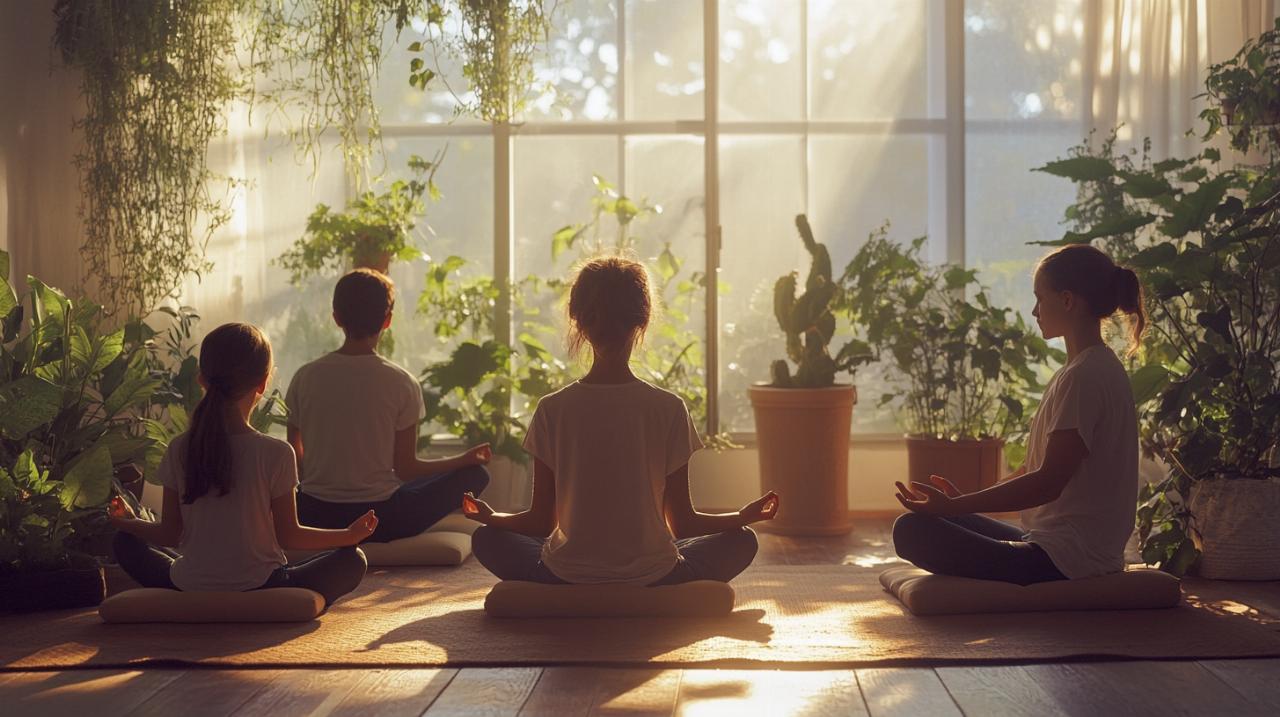
The ritual of meditating together also creates shared experiences and memories that families treasure. Whether gathering in the early morning to greet the day with calm intention or coming together in the evening to release the tensions accumulated throughout the day, these moments become touchstones of family identity. Parents find that dedicating time to meditation, even if starting with weekly sessions, helps establish a rhythm that supports ongoing connection. Creating a dedicated meditation space within the home further enhances this practice, providing a physical reminder of the family's commitment to wellbeing and togetherness. Over time, these shared practices foster a sense of unity and mutual support that strengthens the family's resilience in the face of life's inevitable challenges.
Cultivating Mental Clarity and Positive Communication in the Home
Improving Focus and Mental Sharpness for Children and Adults Alike
One of the most tangible benefits of regular meditation practice is its impact on cognitive function, particularly in the areas of focus, attention span, and mental clarity. In a world saturated with stimuli and constant demands on attention, the ability to concentrate deeply has become increasingly rare and precious. Meditation offers a practical antidote to this fragmentation, training the mind to settle on a single point of focus and sustain that attention over time. For children, this skill translates directly into improved academic performance, better task memory, and enhanced ability to engage with learning materials in a meaningful way.
Adults, too, experience significant cognitive benefits from consistent meditation practice. Regular meditators often report heightened mental sharpness, improved decision-making capabilities, and a greater capacity to manage complex tasks without becoming overwhelmed. The practice of observing one's thoughts without judgment, a cornerstone of many meditation techniques, develops a kind of mental agility that allows individuals to recognise distractions as they arise and gently redirect attention to the matter at hand. This skill proves invaluable in both professional and personal contexts, where the ability to maintain focus and think clearly under pressure can make the difference between success and frustration.
For families, the collective improvement in mental clarity that comes from shared meditation practice creates a more productive and harmonious home environment. Children who develop strong attention skills through mindfulness are better equipped to complete homework, engage in creative play, and participate meaningfully in family activities. Parents who cultivate mental sharpness through meditation find themselves better able to manage the myriad responsibilities of family life with grace and efficiency. The result is a household where everyone feels more capable, less scattered, and more present to the richness of daily life.
Fostering healthier communication and wellbeing through mindful practices
Perhaps one of the most profound impacts of family meditation lies in its capacity to transform communication patterns within the home. Mindfulness practice cultivates present-moment awareness, encouraging individuals to respond thoughtfully rather than react impulsively. This shift in approach to communication can dramatically reduce conflicts, as family members learn to pause before speaking, consider their words carefully, and truly listen to one another. The emotional regulation skills developed through meditation support this healthier communication style, helping individuals manage their own feelings before engaging in potentially difficult conversations.
Meditation also promotes positive thinking and emotional wellbeing, creating a foundation for constructive interactions. Studies have shown that regular meditators report more positive emotions overall, a shift that naturally influences how they engage with others. When family members approach one another from a place of inner calm and optimism, conversations become more solution-focused and less blame-oriented. This positive atmosphere encourages open dialogue, where concerns can be expressed without fear of judgment and problems can be addressed collaboratively. Children raised in such an environment develop healthy communication patterns that serve them throughout their lives, learning by example that it is possible to navigate disagreements with respect and compassion.
The holistic wellbeing fostered by family meditation extends to physical health as well. Better sleep quality is a commonly reported benefit, as the calming effects of meditation help quiet the mind and prepare the body for rest. Improved emotional regulation reduces the physical stress responses that can compromise immune function and overall health. As families commit to regular meditation practice, they often find that their overall quality of life improves, with each member feeling more grounded, resilient, and capable of embracing life's joys and challenges with equanimity. This comprehensive approach to wellbeing, rooted in the simple yet powerful practice of mindfulness, offers families a sustainable path toward health, happiness, and enduring connection.